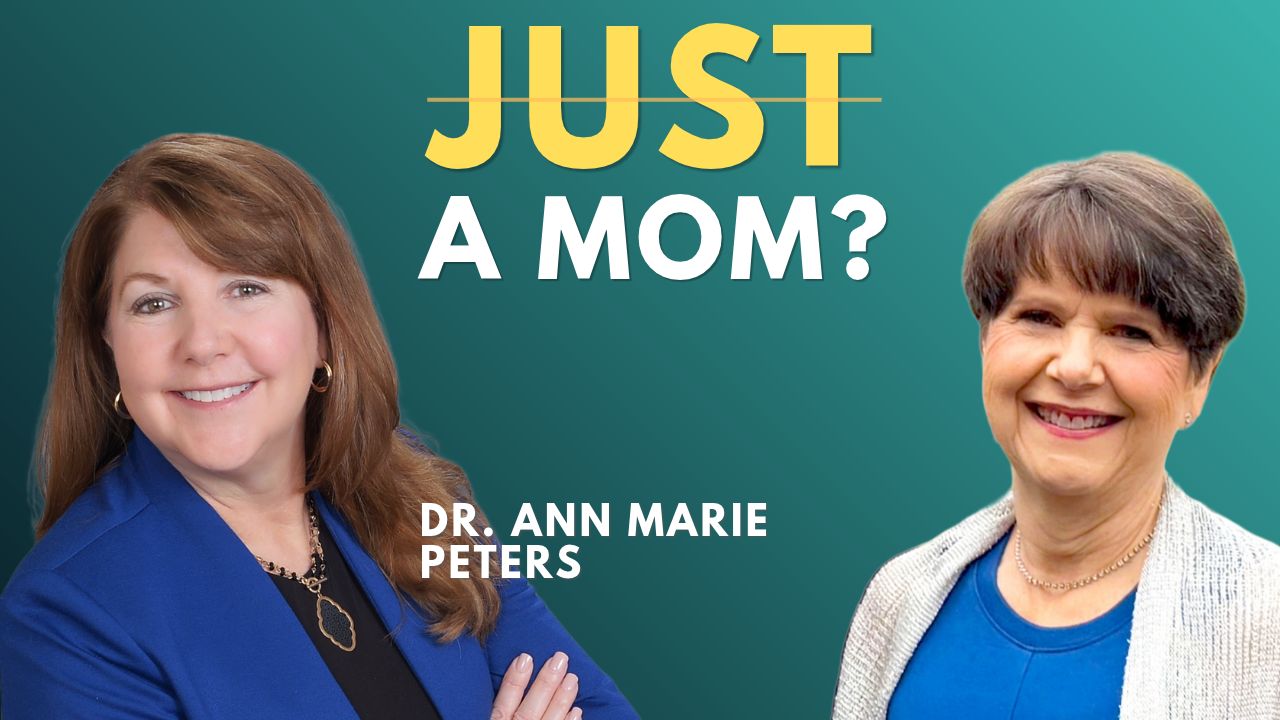
You’re sitting across from a potential client or a new acquaintence at a networking meeting when they make the most casual invitation: “So, tell me about yourself.” And your mind goes blank. Not because you lack accomplishments. Not because your life hasn’t been full, complex, and worth talking about. But because somewhere along the way, you stopped knowing how to answer that question without listing your roles, your résumé, or what you do for others.
Dr. Dianne Olvera has spent decades studying why so many people, especially women who’ve spent years filling a variety of supportive roles, struggle to define themselves in midlife. What she’s discovered and shares during our interview will make you rethink everything about how you communicate with others AND yourself.
Podcast: Play in new window | Download
Subscribe: Apple Podcasts | Spotify | Pandora | iHeartRadio | Podchaser | Email | RSS
Show Notes | TranscriptThis episode is about reclaiming your voice that has gotten buried under decades of being told what to do, how to respond, and who to be. Dianne shares the subtle communication patterns that either drain your energy or fill your cup. And why the words you use (and the ones used on you) have shaped your reality more than you may have realized.
You’ll discover:
- Why self-awareness isn’t selfish, and how asking yourself simple questions can rebuild confidence that external achievements never could
- The eye contact technique that shifts power dynamics instantly, whether you’re dealing with a difficult person or standing up for yourself
- How the words you heard as a child are still running the show in your business, your relationships, and your internal dialogue
- Why “people become our words” and how to use this knowledge to transform the way you show up for clients, partners, and yourself
- The generalist vs. specialist framework that will help you stop butting heads with people who drive you crazy and start leveraging their strengths instead
- How to have empathetic conversations with teens (or anyone, really) that don’t devolve into lectures or door-slamming by flipping the script on who does the talking
Dianne doesn’t deal in spiritual bypassing or toxic positivity. She’s spent years as a diplomat navigating volatile conversations with controversial figures, raised a family across continents, and built a practice helping everyone from toddlers to executives learn how to define themselves, instead of being defined by others.
If you’ve ever walked away from a conversation feeling smaller or caught yourself apologizing for emotions you have every right to feel, this episode might just be the permission slip you didn’t know you needed to start speaking differently. To yourself, first and then, to everyone else.
Resources:
Join the Soulful Women’s Network: https://www.facebook.com/groups/soulfulwomensnetwork
Receive daily inspirational email messages: bit.ly/LoveLightNotes
Need support? Go to engagewithgloria.com to schedule a call.
Connect with Dianne
Website: drdianneolvera.com
Book: “The Power of Connection: Understanding Individual Differences to Uplift and Empower”
Connect with Live Love Engage:
Send Gloria Grace a message
☕ Support the podcast
❤ Love this episode? Leave us a review and rating
LinkedIn: Gloria Grace Rand
Facebook: Gloria Grace Rand
YouTube: Gloria Grace Rand

TRANSCRIPT
Communication Strategies That Build Real Connection After 50
Full Episode Transcript
Introduction: Why Some Conversations Energize While Others Drain Us
Gloria Grace Namaste. Have you ever wondered why some conversations leave you energized while others drain your spirit completely? Well, today we are diving into the incredible power of connection that can actually transform your business relationships and personal relationships and maybe, maybe even in the process, bring some more abundance into your life. But first, I do want to welcome you to Live Love Engage. If this is your first time joining us, I am Gloria Grace, founder of Align to Shine Academy, and I empower women over 50 to step into their highest potential with clarity and confidence. And joining us in just a moment is Dr. Diane Olvera, and she is an amazing lady. She’s an educator, an author, an expert in empowered education whose work was shaped by years of living in Argentina and Mexico during political and economic instability. And she’s got a book called the Power of Connection, Understanding Individual Differences to uplift and empower. And it combines over four decades of personal experience with scholarly insight, providing practical tools for fostering more meaningful and effective relationships. And I know we can all use some of that. So without further ado, I’m going to bring her up and welcome you officially to Live Love Engage. Oh, good grief. I cannot hear you all of a sudden. That is strange. Oh, there we go.
Dr. Dianne Olvera Thank you. It’s pleasure to be here.
From Stewardess to Diplomat: Dr. Olvera’s Journey
Gloria Grace Well, I am happy to have you here. And I. Yeah, you know, going over some of your bio, you certainly have led an interesting life. And I’m curious to know what actually first sparked your interest in really studying the power of connection and communication.
Dr. Dianne Olvera Well, I moved to Argentina. I married an Argentine. I was a stewardess with TWA. And he that marriage didn’t work out, but I stayed because we had a son. And then I was also teaching at the American School, and I met this lovely man who was a diplomat, and we both became diplomats for the American Embassy. And I had an opportunity to meet people in very high places that were sometimes very controversial. And I just couldn’t understand how on one side they could be doing very devious acts, and on the other side, they could be speaking to me, and I could be completely blown over by how wonderful they were. So when we completed our work, I also needed to use a lot of my new strategies with these people because sometimes you did have some controversial issues that needed to be discussed. And the only way that we could do that would be to be very honest and open with each other. And there were times that you had to really maintain your integrity. So after we left Argentina, then we went to Mexico and became diplomats there, and they were having an economic crisis and so when you’re a diplomat, you meet people from all over the world, and that’s how. I don’t know if you’ve seen, you know, Netflix the Diplomat, but it’s. It’s a way that we can create companionship and friendship across lines, and sometimes we may need each other in the future. So there, again, that involved a lot of important conversations that sometimes could be very volatile.
Overcoming a Strict Upbringing to Find Better Communication Methods
So when I got back to the States, you know, I came from a family where we were very. They were very strict, and we weren’t allowed to talk. I got soaked behind my front teeth. If I answered back, I got the belt, I got the whip. So I finally said, there’s got to be a way that we can learn to connect with anyone and be able to do justice and empower them and help these people be able to feel that they are worthy of our interactions. And so I spent the next 12 years in graduate school. I got a couple doctorates in bilingual special education and cultural differences. And I used much of my time after graduation to teaching college students. But then I also had a private practice, and that’s where I developed my strategies on how anyone, from the most neurodiverse to the most gifted to the youngest, let’s say two years old up to my age and more, how we could learn to talk with each other. It literally improved my marriage. My husband and I had a child. He was in middle school, and it improved our relationship with him. He is now an adult, and he uses it all the time in his work with his family. It’s very powerful. And what he said to me the other day is, mom, this is very subtle. You don’t know. People don’t realize what you’re doing. But you are able to literally turn relationships around just by the power of how you speak with them and how you look at them, how you use your body language.
The Modern Communication Crisis: Why We’re Not Listening
Gloria Grace Wow, that’s a really good thing to have. And I tell you, it’s so important. Seems like even more these days where we’ve got so many. We’re so caught up in indifferences and not listening to one another and not just wanting to, you know, everybody wants to be heard. We all want to be seen and want to be heard, but we don’t necessarily then want to extend that to the other person because they feel the same way. And we can’t be able to have a good, you know, communication if we’re not willing to listen and let them be seen and heard as well.
Dr. Dianne Olvera Yes.
The Power of Eye Contact: A Diplomat’s Secret Weapon
Gloria Grace I want to get into your strategies in a moment, but I wonder if you could share with us first maybe a story about a time when effective communication really transformed a challenging situation.
Dr. Dianne Olvera Oh boy, there have been so many. One time as a diplomat I was taken aside by someone and they’re always testing you to see if how vulnerable you are to receive and to provide information. And I was very uncomfortable. And so I as this person spoke with me I lowered my eyes and then when the moment was right I raised my eyes. I looked him straight in the eye and I said we’re done here. And I walked away. And I realized after going to graduate school that our eyes have power. And so I mean I use it all the time. I use it in my graduate classes. It was funny because one day I actually I was teaching a law class and one of my students was providing some very interesting information and I was listening to him and then I looked him straight in the eye and I said tell me more. And he just apologized. I am so sorry. And I said why are you sorry? I want to know more.
The Self-Awareness Crisis in Universities and Workplaces
But then I posed it to my students and I said why are you fearful to really stand up to me and to define self? Well, fast forward. We are now finding in the university that our students cannot do not have self awareness. We’re finding this in the workplace that people are coming into the workplace requesting jobs but when you ask them to just tell me about yourself they can’t. I did that in the graduates class and I said don’t tell me your name, don’t tell me your background, just tell me who you are. No one could do it, not one person.
Gloria Grace Wow. Well let’s, let’s stick with this topic because this is intriguing to me. So why, I guess why is it number one why is it so important to have that self awareness and why, why do you think so many, you know, younger people are unable to do it?
Why Self-Awareness Matters: The Foundation of Leadership
Dr. Dianne Olvera You know and it’s, it actually I think has started because we’re really good parents and we really want our children to do well. So when we are at home as a parent, what do we do? We tell them what to do and when they don’t do it we remind them what they were supposed to do and then even when they do do it, what do we do? We tell them why we reminded them what they had to do.
Gloria Grace So who’s doing all the talking?
Building Self-Awareness Starting at Age Two
Dr. Dianne Olvera You see so when I started doing this and I tell you from 2 years old on because before that the brain hasn’t completed its neuro closure and so I just start with questions, what color is this Block. What color is this block? There’s a blue box there. Where would you put the blue peg or the blue block? And they’ll say, oh, in the blue box. Great. How did that make you feel? Happy. What does happy mean to you? And it really starts making them think about self. Now you keep doing this, and you don’t have to always start at 2 years old. You can start at 45 or 50 or 80, but you start working with people that way. What we found is when a person is able to define self, they then start to hear themselves become aware of their attributes and even their deficits. And then this builds confidence because you know who you are. I mean, I can say, yeah, I may be really good at this, but I’m not really good at maybe decorating or cooking, but that’s okay because I have an attribute that I feel good about. And so we can then open our conversations. So self esteem. Self awareness provides self esteem, which then becomes self. The ability to become leaders. Because children go back and start using these strategies with their friends. Their friends start seeing them pull them up, not themselves, but they pull others up. Now we have leaders, and those leaders go on to become very, very popular, not because they are anything better than the person beside them, but because now they have a sense of self.
Valuing Your Uniqueness: Your Strength is Someone Else’s Weakness
Gloria Grace I love that. And it’s, it’s, it’s very. It’s a different way of looking at something that I teach as well, because I teach something called the, the love method or love. And the V is value your uniqueness.
Dr. Dianne Olvera]: Yes.
Gloria Grace And right. That we, we don’t always value. You know, I think sometimes, you know, you know, we do know, like, where our weaknesses are sometimes, or maybe, maybe, maybe we don’t. But we also don’t always value our strengths, and we tend to downplay them. And, but our strength is somebody else’s weakness. And so we, we need to be able to, you know, own that, because then somebody else will be like, oh, I’m so glad that you know how to do that, because I don’t. And that’s how, you know, as. Especially as entrepreneurs, that’s how we can help other people by really saying, yeah, this is what I do, and this is how I can help you. So I love that. And, and you explain that so well. So thank you for that.
Practical Communication Strategies for Entrepreneurs
Gloria Grace I, I do want to go back to, you know, talking about. And you did that great example about your eyes, you know, looking down and then looking up. So what else can our listeners do today? What other practice could they implement that could start helping them to, let’s say, an entrepreneur, maybe strengthen their connection with a client.
We Become Our Words: The Devastating Power of Negative Labels
Dr. Dianne Olvera You know, that people become our words. I’m going to give you a negative, and I’ll give you a positive. There was a young man who was in a special ed classroom, and every time we had a meeting, his mother would come in and say, he was born bad. He was born bad. And it was right before summer, and it was our last meeting. And he looked at his mom and he said, you have said this all my life. And he made some horrible remarks. Well, when school started the next term, I asked where he was, and the principal said, oh, he took a woman to the desert, killed her, and is now in jail.
The Five-Year Impact of One Word: “Stupid”
And I’ll tell you, even more subtle, A young person was in fifth grade, and the teacher said, now, that was a stupid thing to say. Five years later, I had him in my private practice, and everything was stupid. That was stupid. Boy, this is stupid. Oh, man, I hate this book. It’s stupid. And so I said, please reflect back to any time that that word made any impact to you. And he thought. And he said, oh, my gosh. Oh, my goodness. When I was in fifth grade, that was said to me. And I said, do you realize you’ve carried this in your heart for all these years? And had we not caught it, where would you be today? Now, a businessman. Family, wonderful family, wonderful kids. And all because we caught the power of words.
Using Words to Transform: A Grief Story
So if you’re an entrepreneur, you can use your words to completely turn relationships around. And it’s very subtle. My. My husband died in 2020 of cancer. And I live in an over 55 neighborhood. And I went to a grief meeting, and in the grief meeting, I met this man who had a similar background to mine, and his wife died two months after my husband. Now, his wife was very short, so his physical posture was always like this, which made him look older, but also his breathing and everything. So he said to me, hey, would you do me a favor? Every time you see me bent over, would you please tell me? So I did. And he would walk away. He’d go into another room. He felt devastated. So then I tried my. My way. And I just. Every time I saw him standing straight, I’d say, well, aren’t you tall? I didn’t know you were this tall. Isn’t this lovely? And he started to become my words. When we would walk down the hallway, people would go, dude, have you grown? So they reinforced just what I was trying to help him do.
Creating Stories We Live Into: The Impact of Childhood Experiences
Gloria Grace I love that. That’s great examples. And it’s So, I mean, sad about the, about the other ones, but. Yeah, living up to or living down to, I should say sometimes those, the words that we hear and it, and we do really create stories that we sort of live into. And I know I’ve, I’ve, I think I’ve even shared on the podcast before that I had an experience when I was in second grade where I was, I was laughed at and for trying to show affection to someone. I was. They he told on me during show and tell, you know, and so I carried that, you know, with me. And I think I, I made, I think what I made it mean was, you know, be careful who you really are close to because it could, you know, bite you. And, and it took finally doing some work and doing, you know, with, with someone at a, at an experience where I realized maybe I like, misinterpreted, you know, maybe, you know, yeah, the class reacted that way, but maybe that wasn’t what he had intended. He might have been actually bragging about it, but I just, you know, took the, you know, because I didn’t have very good self esteem at the time anyway as a little kid growing up in a kind of tense household. So it’s, yeah, it’s so important.
Dr. Dianne Olvera Today. And you were the mother of a child that that happened to. You know, what you could have said is, I’m so lucky to have a daughter who is so kind and emotional with people. That’s an attribute.
Gloria Grace Yeah.
Dr. Dianne Olvera And maybe at this age you’re going to feel that it’s not really appreciated, but people need empathy. And you’re empathetic.
Gloria Grace Yeah.
Dr. Dianne Olvera So blessed to have you as a daughter. My words. And that you start to become those words and you can use those words in. To defend yourself the next day. You know what, guys? I’m empathetic. Empathetic. I don’t care what you have to say.
Helping Kids Combat Bullying: Strategies for Parents
Gloria Grace Yeah. Oh, goodness. You know, I’m going to ask you about this. And I know even though our audience is entrepreneurs, but they may also be parents of possibly even like teenagers right now. And I know that we are living in a time where, I mean, I was bullied when I was in middle school.
Dr. Dianne Olvera Yeah. I was fat Foster.
Gloria Grace Well, yeah. And I was, you know, it was. I grew up in Michigan and so they would, you know, I would wear a hat in the wintertime and they’d love to like snatch the hat off my head and start tossing it around, you know, and I would get so frustrated and I’d go, you know, and then, and even when I was younger I mean, I think I had an older brother and sister, and they kind of called me a crybaby.
Dr. Dianne Olvera And.
Gloria Grace And because I would come home crying because somebody was picking on me.
Dr. Dianne Yeah.
Gloria Grace And. And I’m just even having an interesting flash now to again about the power of words, because I was. I was actually in an interview earlier today where I was the guest on someone else’s podcast, and I was retelling a story of how when I was working with the coach and I started crying, and I was like, oh, you know, I started apologizing and, you know, I’m sorry, I shouldn’t be crying, you know, and he’s like, no, go ahead and cry. Well, now I’m also thinking back, because I was called a crybaby as a kid, and I know my brothers and sister didn’t, you know, really mean to, you know, hurt me with that. They were trying to toughen me up. But it also made me feel uncomfortable about crying. Long story short, what would you tell parents today about how to help their kids who are being bullied, like on the Internet and things like that, because it’s so bad and we’re having so many commit suicide and things like that. So what. What, one strategy, one or two strategies maybe, would you offer that they could help help them out?
Using Eye Contact and Questions to Deflect Bullies
Dr. Dianne Olvera Well, first of all, it’s helping them become aware of who they are, who is self, who are, who am I, and what are my attributes. You know, Carrie Sprug, when she was five years old, came into my room and said, hey, I’m going to the Olympics one day. And I said, thank God, because you bounce all over the classroom. And I’m so glad because your mommy finally took my advice and go with me go into gymnastics. So if you start at home quietly picking up on little nuances as entrepreneurs, if I wanted to sell a product to another person, I would find out what are that person’s strengths and weaknesses just by chatting with them. And then use the power of your words to pick that person up to let them know that you need my product, because my product will literally turn you around in whatever endeavor that you’re looking at. But as for teenagers, that’s where we start to talk about. If there it’s a visual, then it might be a way to use their eyes. So they’re talking to a friend, and the friend is really cutting them down. And they can usually be sitting like this. Their eyes are down and they’re really frustrated. Then they look straight at the camera, they look straight at this person, and they say, was that Comfortable for you. What was your goal and what did I say? They don’t know what to say.
Gloria Grace Right. Yeah.
Dr. Dianne Olvera If you really knew me and if you really knew what you wanted from our friendship, would you have. Now I don’t say don’t do that because that becomes our parents.
Gloria Grace Yeah.
Dr. Dianne Olvera Turn it around. Would you have continued to do that? Oh, no, I’m sorry. I really want to be your friend. It’s just that sometimes you really get on my nerves. Okay. So how could you do that? So that I can learn from you and we can be comfortable.
Gloria Grace Yeah.
Dr. Dianne Olvera [And then it completely turns relationships. I use it all the time. You know, even when you’re shopping or when you’re in a confrontation with your. With friends, you know, how would you change this? What would we do differently? And you know, if you don’t have self awareness, it’s really hard. You actually take it more to heart than maybe we would at our age. And so just looking at them, not getting angry, just using your eyes to show that you. When you look at somebody, they feel. Felt. And even when you’re like shopping somewhere and you’re. I’m. And I’m. And I’m ready to leave the shopping area, I look straight at the person that checked me out and I say, hey, thanks a lot. You look a little tired today. And my goodness, I mean, I’ll have a 15 minute conversation that I didn’t even expect to have just because they felt. Felt.
Parenting Tips: Building Maturity Through Simple Acknowledgment
Gloria Grace Yeah, I love that.
Dr. Dianne Olvera I’m sorry. So. So yeah, I’m sorry if I you. Is that okay if I go on?
Gloria Grace Yeah. Oh, yes, yes, please.
Dr. Dianne Olvera Parents, we do this away from the mic. We do it away from any of these video experiences. We start with the little things. You know, hey, thanks for picking your shoes up. You’re getting more mature. Thanks. That’s it. You don’t go into, well, this is what you should have done. And I’m so glad you did it. Kids hate it. Kids also hate the fact that you do everything for them. I was shocked, but this is something I’ve had over 40 years of talking with kids and they want to be heard, they want to be known, and they want to have a part in your life. When they are not asked to do things and required, expected, then they feel that you don’t love them.
Creating Workplace Rules Collaboratively: The Key to Respect
Dr. Dianne Olvera When you start to. And if you’re going to make. And this would be. If you’re an entrepreneur and you have a group of people working with you. This is another thing that I find in the workplace. If you’re going to be making rolls R U L E S in the office, then please do it with everyone that would be involved in that room. These are. And you can talk about them. These are the things that we need to do. And what would be the repercussions if somebody doesn’t do it? You know, we have to have some of our articles in the mail by 8:15 in the morning. And if you come in at 7:45, what would be the repercussion that we should place on someone who comes in late when we know we have a deadline of getting them in the mail and then let them talk and then say, okay, do you mind if we just write this down? So we write it down, and then when something happens where it’s, you know, 8:45, 7:45, and they come in, hey, what time is it? Oh, 7:45. I should have called.
Gloria Grace Mm.
Dr. Dianne Olvera So what’s the repercussion? And whatever you all have decided, you know, and say. And you say, okay, so you know what the repercussion is. So. Okay. Now, I hope you, you know. Do you want us to remind you, or are you gonna be okay with doing it yourself? No, I’ll do it myself. Thank you. When they do it, you. You don’t make a big scene. You just say, hey, thanks for coming on board. Thanks for being part of the team again. I really appreciate that. Then you have a relationship that is comfortable because you respect it.
Balancing Responsibility: Parent-Child and Boss-Employee Dynamics
Gloria Grace Yeah, And I, I will say that. Well, well, let me. Let me ask you this, though, because I, I’m. I just. Knowing how. How I grew up and, and versus being being an employee and, and then also being. Being a business owner and being able. And having to work with, you know, I have had assistance in. In the past and having to figure out what’s the best way to be able to navigate that relationship and making sure that they know what I expect from them and, and what I expect, you know, and then they know what to expect from me. You know, as you’re going here, but, But I was struck by. When you’re talking about how, you know, kids do want to be told what to do, but I think there’s also, though, a line where sometimes there’s too much like, you know, because I, you know, I loved my mom. She was a wonderful lady, but I also felt like a lot of times that I was the parent in that relationship instead, where I had to do a lot of the stuff and then, you know, had some resentment that built over. Over the years that had to, you know, I, I Know now why, and I’ve forgiven her and. And some of this stuff actually served me later. But in the moment, it was very frustrating where it was like, you know, I have to be, you know, the cook and the cleaner and, you know, and everything. And it was, you know, felt put upon. So how do you kind of balance that? Yes, you want to be able to have your kids, you know, be responsible and frankly, your employees as well, versus, you know, that coming off as the tyrant and just, you know, it’s my way or the highway kind of thing even.
Open Conversation: Learning from Argentine Culture
Dr. Dianne Olvera Well, when I went to Argentina, I came from a very similar relationship with my parents as you did. I was shocked because people were hugging me. I wasn’t accustomed to being touched like that. And people would tell me to my face what they thought about me, what I was wearing, how. How I came across as the ugly American at first, as probably you would have felt I was. So I wanted to run and go home. And then I thought, they care. They want me to become part of them and to not get bullied or have people say things to me. So they will tell me to my face what they feel, what they think, and I could do the same to them. And I call it open conversation. And in order to find if you really wanted to see this, look for. For Latino Netflix and, you know, put them on in English, obviously, and you will see how often they make eye contact, how often they will maybe touch your shoulder or touch each other, and more than anything, how they use their open conversations.
Bringing Honest Feedback Into the Workplace
So, yes, if I had a business and my employee came up to me and said something that he felt about this new. The new rule, I would have looked at him and said, gee, I wish you had said that in the meeting when all of us were present. But I appreciate that, and I will bring it up in the next meeting so we can all determine if this new change that you. You’ve suggested is really going to benefit everyone. So it’s open conversation. And sometimes you’re not going to like what you hear, but you’re going to know in front of your face what’s really being said behind your back. And I would rather be able to have everyone around me be open and honest and hear my mistakes and my stupidities to my face and not saying it to each other in a demeaning way. That’s the other issue. We start out kidding each other. Oh, Mary, that was so stupid. And then, you know, oh, yeah, every time we go to lunch, his pockets are so deep, he can’t seem to find his Wallet. And then everybody laughs. So what do we do? We take the speech pattern and we carry it on.
How Speech Patterns Saved a Marriage
Dr. Dianne Olvera That’s how marriage is. You know, marriage is now are ending at 65. And so I always tell couples when they’re working together, I say, I want you to do two things. I want you to look at each other when you talk, and I want you to measure your speech patterns. So I had a couple that came in and they were ready for divorce. And when they spoke, each one looked straight ahead. Well, the man kept looking at the door. I think he wanted to run away. And they wouldn’t look at each other. And so. And then when they did say something, it was that negative speech pattern. Yep. You’re always doing that. See the way she’s going on and on and on? And so I pointed it out. They hadn’t even realized what they were doing.
Gloria Grace Yeah.
Dr. Dianne Olvera A week later, they came in, they sat on the couch, we discussed things, and the guy said, sex was awesome. I said, well, I don’t think we talked about that. She said, best ever. Were we together last week?
Gloria GraceI love that.
Dr. Dianne Olvera And they said, no. When we realized how we were talking to each other and we started making eye contact, we realized that there was still a spark and we’re not getting a divorce.
Gloria Grace Well, that’s wonderful. Yeah.
Understanding Generalists vs. Specialists in the Workplace
Dr. Dianne Olvera The other. Can I bring up one that if you want to talk about problems within the workplace.
Gloria Grace Yeah.
Dr. Dianne Olvera Are you familiar with, like, generalists and specialists?
Gloria Grace Yeah, Yeah, I think. Yeah. Of. Or at least of. Well, let’s just say even in medicine, there’s someone. A generalist is someone who can handle all types of different issues, whereas a specialist, you know, focuses in on one thing. And I know even entrepreneurs, a lot of times we’re taught to niche, niche down or whatever, you know, and focus in on one area or one type of person, you know, to be that specialist in that thing as opposed to someone who can just help everybody. So that’s kind of what you’re getting at a little bit.
Dr. Dianne Olvera A little bit of a different way.
Gloria Grace Okay. All right, cool.
How People Process Information Differently
Dr. Dianne Olvera A generalist. And this is really great in the office, a generalist is a person who likes the bottom line. You know, when you go into so many details, you start seeing the eyes rolling and, you know, looking at their phone. That’s a generalist. So when you work with that person, you give them bottom line. Today we’re going to create a logo for our new product. Bottom line. Right. But then you have that other person who you think they just want a lot of attention, and that’s the person who goes, okay, so are we going to use the colors that we have with the other color scheme of that other logo, or are we replicating a logo that we don’t want those colors with? And then how big do you want it? Do you want the same size? So detail, detail, detail, detail. And they can’t move on with their work until all those details are defined. Otherwise they’re going to keep coming back to you at your desk or wherever you’re at, asking more details. So that’s a specialist. And we actually did this with teachers. When a teacher first came into teacher training, we would look at how do people process information? And so are you a generalist? Are you a specialist? Are you mixed? So let’s say you were a generalist, I was a specialist. And then we go back in for our graduate degrees and we’re in the same class again, we take the test again. You’ll probably come out mixed because you work with so many different types of people. So you had to, without realizing, change the way you speak and you work with these individuals so that your, your work gets done more proficiently.
Turning Workplace Rivals Into Partners
And so that’s where if you as a boss knew this and you could say, Mary, I love your creativity. I love when you come up with these great picture ideas. Now, I know that you and John may not always get along, but I think John is really going to embellish that beautiful thought that you had. So, John, what do you think about building onto Mary’s idea and putting in all those specifics? Oh, that would be awesome. Now, what could have been rivals or people that they just. They hated each other because they would get on each other’s nerves? One didn’t talk enough and the other one talked too much. These now become working partners that are embellishing the life of each other.
Gloria Grace I like that. Yeah, yeah. Because now they’re complementing. They each are folk dealing with their own strengths as opposed to. Yeah. Fighting against each other so that, yeah, they can really complement each other. I like that.
Dr. Dianne Olvera But as Mary starts to work with him a little bit longer, she becomes mixed. So he starts to learn that when she talks to him, she needs to talk in more detail.
Gloria Grace Right.
Dr. Dianne Olvera And in an office, the last thing you want to do is have to be telling somebody over and over and over again.
Gloria Grace Yeah.
Using Specialists to Handle Details You Don’t Want To
Dr. Dianne Olvera Then once they know what you’re expecting of him, you just ask the question, well, when we make our logo, are all the logos the same size? Oh, yeah, they are and thought of that. So what size should we make this logo? The same size. Absolutely. Good idea. Boom, it’s done. The other thing is, you know how we all hate to look at contracts, all the little details of a contract. Well, specialists like those, and they’ll actually. My partner right now is a specialist, and every time I have a contract or even, like, editing my book, he’ll find commas that could have been in the right place and they’re not. So those are subtle ways that, without realizing, you’re getting a lot more work done because you’re utilizing the strength of the people around you.
The Role of Empathy in Creating Powerful Connections
Gloria Grace Yeah. And that’s so important, and I love that. So I’m going to ask you, because I know and just in doing some of the research and you’re sharing with me a little bit about some of your processes. And I know one of the things you mentioned was you talked about empathy, and I know that’s something that I think is also in. Seems to be in short supply these days. So for someone who may not know, how does empathy play into creating powerful connections? And how can we develop more of it?
Leading With Empathy Instead of Judgment
Dr. Dianne Olvera You know, this is the easiest way to work with teenagers. Okay. Your daughter went to a party. Maybe she got drunk, went out with a boy that maybe she shouldn’t have. You start with empathy. Because normally when we start telling them what to do, what do they do? If you’re in the car, they get home, they slam the door. They run up to the room, they slam the door. You must have felt horrible when you woke up the next morning and we were standing there with our arms crossed, realizing what you had done. How would you like to discuss this? I don’t want to talk about it. I don’t. This is ridiculous. You’re stupid. You’re stupid. I know I probably, in your mind, look like I’m really stupid because you want me off your back. But what can we learn from this? What could be. What could. If you were to do this again, or if you were telling your best friend, if you were giving her advice, what could you do differently? What would you tell her that. That she could do?
Teaching Young People to Consider Consequences Before Acting
Because what I’m finding is young people today are using one side of their brain or the other. They see it, they feel it, they do it. But they’re not discussing the repercussions before they actually act. So if your daughter is able to catch this, she can say, hey, hey, hey, wait, wait, wait. Look at me. Is this a good choice? What could we do differently? What are you going to get out of this? And then her friends could do the same to her. But especially with parents. I mean, we are the bad people. But we’re the bad people because we’re always telling them what to do. So they’re afraid that if they open their mouth, anything they say, you’re going to jump right down their throat. But if you flip it around, look at them with kind eyes. I was young once, too.
The SWAT Team Story: Asking “What Could You Have Done Differently?”
We. We actually had the SWAT team. We went away for one day when we first moved to Florida, and we called, and my son kept saying, no, no, I’m fine. I’m fine. I gotta go. I gotta go. Only to find out when we got home that some football players went to the wrong house, took a keg, and had a party at our house. Yeah. And somebody said that it was a really bad group of kids, and the SWAT team was flying over our house.
Gloria Grace Oh, my gosh. Yikes. Yeah.
Dr. Dianne Olvera But instead of my husband, this is when we started doing all this. Instead of my husband really getting down on him, he looked him at him with kind eyes, and he just said, what could you have done differently? I don’t know, dad. He said, do you mind if I explain? And that’s the other thing. Do you mind if I give you some advice? I ask that to my teenagers, and they’re shocked.
Gloria Grace Mm.
Dr. Dianne Olvera And they’ll say, no, I want to talk first. Great. Tell me. And then once we get through that, then I say, can I give you some more advice? Can I stop you here and add something? They feel so respected that then they start doing that with you. Because patterns are contagious.
Building Adult Relationships With Your Children
Gloria Grace Yeah, absolutely. Yeah. And it really does make a difference. And. And I’m. I’m very grateful that my kids actually do ask me for advice now and, you know, or ask me how to do something. You know, they’re. They’re not afraid to, you know. You know, they could just go to Google and, you know, and figure it out. But it’s like, you know. You know, even. Even if it’s just about a recipe or something, and it’s like, it’s fine. It’s nice to feel needed, especially now that they’re adults, that they still. Still want to have, you know, a conversation, and they don’t mind having a conversation with mom, so. So I. You know, I don’t know that I did everything the way you were talking about when they were younger, but I do feel that I know I did it differently than my mom did most of the time, you know, probably 80% of the time, because I knew the way I was treated, and I didn’t want to have them feel the Same way that I felt growing up and.
Brain Development and Taking Responsibility
Dr. Dianne Olvera Well, but from a brain perspective. Children’s brains don’t finish myelination. The frontal lobe doesn’t finish until 18 to sometimes. 30.
Gloria Grace Yeah, absolutely.
Dr. Dianne Olvera 30. I said. That’s it. Yeah. No more excuses.
Gloria Grace I know, I know. Yes, yes, I do. It’s, it’s so great when they can start being fully human and you can have conversations and not have that.
Two Critical Communication Elements: Vocal Tone and Word Clarity
Dr. Dianne Olvera The other thing is two things that would really help, I think, in the office if I, if you don’t mind. If I can.
Gloria Grace Yeah, yeah, yeah, please.
Dr. Dianne Olvera Is vocal tone. When we start screeching and our tone starts to, to move into directions that kind of are piercing, if you can become aware of that. I mean, one of the things we tend to forget is to become aware of how we are coming across to others. And the other is word clarity. Put it on my desk. Get it done by three o’. Clock. What’s it? Redefine your pronouns. Because when pronouns are defined, life becomes more comfortable and you work less.
The Importance of Being Verbally Explicit in Communication
Gloria Grace Oh, yes, I’ve, I’ve had that with, with a significant other in my life that they would say something. I’m like, I’m not a mind reader. Could you be a little bit more specific, please? I’m not totally clear on what, on what it is exactly that you’re talking about because, you know, we, we tend to assume sometimes, and my mother instructed me on the, you know, that you don’t want to assume. And I’ll let you fill in the rest if you figure out how to spell the word assume. You know what, you know what she’s talking about. Oh, goodness. Yeah, I, I, he’s, he’s a lovely guy, but it’s like, spell it out.
Dr. Dianne Olvera And that’s your speech pattern. Yeah, I just realized that it’s your speech pattern that is getting me confused. So can you fill it out as if like an online professor? That’s the first thing you learn. If you are not verbally explicit.
Gloria Grace Yeah, that’s true.
Dr. Dianne Olvera They blame you. And if you’re, if you’re an entrepreneur and you’re writing emails to your staff and you are not verbally explicit and everyone comes up with things differently, it’s your fault.
Gloria Grace Yeah, yeah. You really do have to be careful. And, and in this, you know, day and age of texting and, you know, and then using, you know, short, you know, abbreviations, it’s like, and I saw something the other day and I was like, it took me a little bit to try to figure out what the heck it meant. And then I, I think I got three out of the four letters that I’m like, okay, I think that’s what it is. But I’m not sure, I’m still not sure what that first one was.
Using Grammarly for Clear Communication
Dr. Dianne Olvera So if you’re an entrepreneur, the best thing, if I could suggest, and that’s free download Grammarly, it’ll even, oh yeah, text. And even if I’m just writing to my son. Yeah, it will fix my grammar and fix my text and it just makes you feel like whenever I push that button, I don’t look like a fool, something foolish. But you know, at least Grammarly I’m fine.
What Dr. Olvera is Curious About: The Future of Self-Awareness and Leadership
Gloria Grace I love that. I love that. Oh my goodness. Time is just flittering away. Frittering away. Yeah, flittering both works, both words work. But I really am enjoying this conversation and I’m going to ask you one last thing because especially because you’re a researcher. So I bet you’ll love this question because I like to ask my guests, what are you curious about right now?
Dr. Dianne Olvera I am curious about how our society is going to attain and maintain itself if our children and young adults are not self aware. Because when you become self aware, you become self sufficient. When you’re self sufficient, you start to have self esteem and self esteem produces leadership. Where are, where are all our leaders going? And the children, the young people today that have been established, you’re great at sports, you’re great at gymnastics, you’re great at writing. If somebody has already helped them identify that at least have one area of their self esteem and self awareness. But look at how many children don’t.
Connect With Dr. Dianne Olvera
Gloria Grace Yeah. Yeah. Well, hopefully after listening to, to you today, maybe we’ll have enlightened a few parents out there and, or aunts and uncles or whatever. Because it doesn’t just have to be a parent. You can, you can be a mentor or you know, teacher or what have you. So I appreciate that and I’m sure that there are some people out there today that would love to learn more about you and connect with, connect with you. So what is the best place for people to reach out?
Dr. Dianne Olvera Well, my website is one word. Yes, thank you. Oh, you are so good. I am in.
Gloria Grace Well, for those listening, go ahead and share.
Dr. Dianne Olvera www.doctor d r d I A N N E O L v e r a.com Dr. Dr. Dianne Olvera.
Gloria Grace All right, excellent. And I will have that in the show notes as well. So, so not to worry. But yes, I want to make sure we, we got that in there. So I really do appreciate all of the wonderful information you shared with us today. And yeah, you’re doing great work in the world and I know we could probably have gone on for a whole nother hour.
Closing: Reflections on the Conversation
Dr. Dianne Olvera I think frankly, the way you interview, and I’m not saying this to make you feel, but you are, you’re peaceful, you’re calm and, and you go with such a love, lovely flow. It makes it easy to really come converse with you. So thank you, I appreciate that.
Gloria Grace Well, I appreciate, I appreciate you for saying that. I, and I, I, it’s, I guess how I’m wired, I’m not sure, but, but.
Dr. Dianne Olvera We need you.
Gloria Grace Yeah, absolutely. Well, I do want to thank, thank you again for being here and I also want to thank all of you for listening and are watching today. And I encourage you, if you’re not subscribed already, to subscribe on your favorite either podcast platform or you can subscribe on YouTube. And shortly there may be another place you’re going to be able to subscribe to as well. So I will have more details about that down the line and maybe even by the time this comes out. I’m not sure. And until next time, as always, I encourage you to go out and live fully, love deeply and engage authentically.